Selling or Renting Property Without an Agent in Singapore: Your 2027 Guide
Thinking of selling or renting property without an agent in Singapore? Understand the process, key rules, costs and when professional support may still make sense.

Thinking of selling or renting property without an agent in Singapore? Understand the process, key rules, costs and when professional support may still make sense.

Singapore property is becoming more digital, but that does not mean every transaction needs to look the same.
Some homeowners want to manage everything themselves. Others prefer professional representation. Same for Home-Seekers. Increasingly, the interesting space sits somewhere between the two.
Quick navigation
The route you choose can also change during the journey. An owner may initially research the market independently, then decide professional support would be useful, or remain comfortable managing the transaction directly.
Yes. HDB explicitly allows flat owners to manage their sale themselves or engage a property salesperson. Sellers must still follow HDB's resale process, including registering an Intent to Sell.
Private-property owners can similarly market and negotiate their own property. Going direct, however, does not remove applicable legal, financing, CPF, tax or conveyancing requirements.
The useful distinction is agent-optional, not professional-free.
Yes. Landlords can market their property, manage enquiries, arrange viewings, negotiate terms and enter into a tenancy directly. Property seekers can likewise deal directly with an owner where that option is available.
The regulatory requirements still apply. HDB tenancies must generally be at least six months. Private residential properties have a minimum stay of three consecutive months, meaning daily or weekly short-term accommodation is not permitted.
The temporary higher occupancy cap of up to eight unrelated occupants for qualifying 4-room or larger HDB flats and private homes of at least 90 sqm has also been extended until 31 December 2028, subject to the relevant HDB or URA requirements.
Landlords should also document the tenancy properly. IRAS currently applies lease duty of 0.4% of total rent for leases of four years or less where Average Annual Rent exceeds S$1,000.
If either the landlord or property seeker appoints an agent, the scope of work should be understood before the Tenancy Agreement is signed.
CEA's Prescribed Estate Agency Agreement can document duties, commission and other agreed terms. Additional mutually agreed terms may also be included, provided they do not conflict with the prescribed terms.
Clients should therefore clarify what any “other terms” or additional scope actually covers. Does the engagement include negotiations, inventory, handover or other assistance? What happens after the Tenancy Agreement is signed?
This distinction becomes particularly important once the Tenancy Agreement has been signed and the property handed over.
Issues may subsequently involve repairs, defective appliances, neighbour or management complaints, access, payment disputes, alleged breaches of the tenancy, early termination, security-deposit deductions, mediation or litigation.
CEA states that the property agent's estate-agency role ends after the landlord and tenant have signed the Tenancy Agreement and the property has been handed over. Ongoing property-management matters are outside estate agency work and CEA's regulatory purview. Agents may nevertheless assist with landlord-tenant issues as a matter of goodwill.
Clients should therefore establish in advance who communicates, who coordinates and who has authority to make decisions. An agent relaying a complaint or arranging a contractor does not necessarily have authority to accept liability, approve expenditure or determine a deposit deduction.
Selling or renting without an agent does not eliminate the work. It changes who performs it.
An owner taking the direct route may need to manage:
Technology can reduce the administrative friction, but owners should weigh potential savings against their own time, knowledge and appetite for managing the transaction.

Singapore has already tested a more controlled digital-listing model.
HDB's Resale Flat Listing service, launched in May 2024, allows eligible owners or their appointed agents to advertise on the HDB Flat Portal. Sellers require a valid Intent to Sell, while buyers need a valid HDB Flat Eligibility letter to access the complete service.
By July 2026, more than 12,500 verified listings had been published, with over 60% of flats listed proceeding to completed resale transactions. The authorities are now considering making the service the default platform for HDB resale advertisements.
The interesting lesson is not that owners should replace agents. It is that one verified environment can accommodate owners and agents side by side.
That concept is set to extend further. CEA plans to launch a full-scale online listing-verification platform in 2027, using backend checks and unique listing codes to combat fake, inaccurate, duplicate and unauthorised advertisements.
CEA is also studying whether consumers should eventually be able to list properties directly on commercial property portals. That remains under consideration, rather than confirmed policy.
Going direct can work well when an owner understands the process, has time for enquiries and viewings and feels comfortable negotiating.
An experienced agent may add considerable value when the owner is overseas, time-poor, unfamiliar with the market, needs broader marketing support or prefers professional assistance with negotiations and coordination.
From 2027, CEA is also introducing a three-year registration cycle and Currency Requirement intended to ensure practising agents remain familiar with current transaction processes and regulations.
The better question is therefore not “Do I need an agent?”
It is “Would professional representation add enough value to this particular transaction?”

Potentially. Owners who do not appoint an agent may avoid an agency commission.
However, there is no fixed commission rate in Singapore. Commission amounts and terms should be agreed between the client and property agency.
Existing agreements matter too. Under CEA's exclusive Estate Agency Agreement, commission may remain payable even if the client completes the transaction independently during the exclusive period.
For rentals, other transaction costs remain. For example, lease duty is generally 0.4% of total rent for leases of four years or less where the Average Annual Rent exceeds S$1,000.
Going direct should therefore be considered in terms of cost, time, expertise and responsibility, not commission alone.
At Kucing, we do not see the future of Singapore property as owners versus agents.
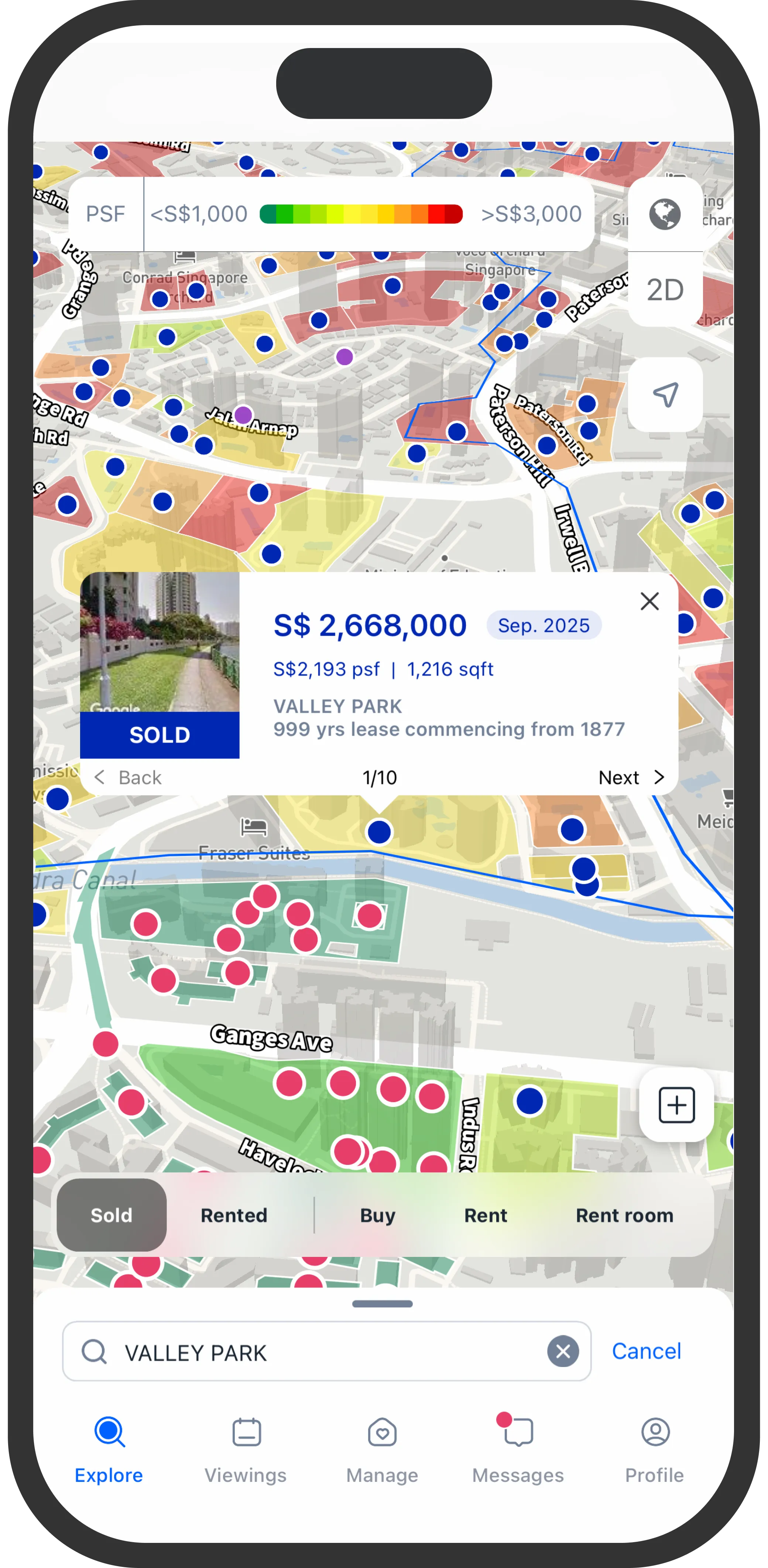
We see a hybrid market. Our Unified PropSpace brings market data visualisation, property discovery, home-tour bookings, chats, visits, favourites and offers management together within one secure and smart environment.
Homeowners can participate directly. Agents can represent clients who want professional support. Buyers and tenants can connect with the relevant party.
The technology provides the infrastructure. You decide how you want to transact.
Selling or renting property without an agent is a genuine option in Singapore. So is appointing an experienced property professional.
Heading into 2027, the bigger change is not simply "DIY property". It is a move towards greater verification, clearer responsibilities, better digital tools and more consumer choice.
Whether you transact directly or appoint an agent, understand the process, define everyone's role and use current information to make your decisions.
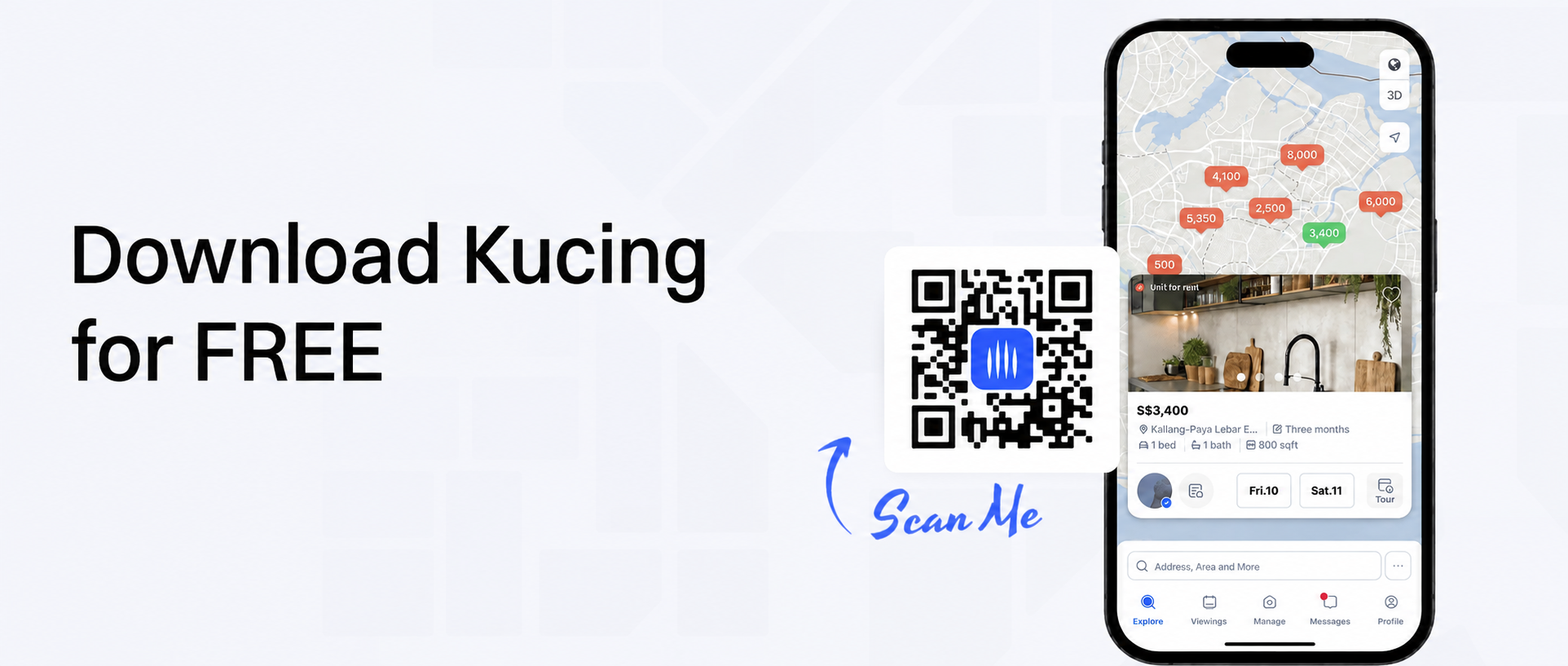
Explore Kucing and discover a smarter way to search, list and manage your Singapore property journey within one Unified PropSpace.
From price insights to viewings and offers, Kucing helps owners, agents, buyers, and tenants move through property decisions with more clarity and control.

.png)