From Keys to Move-In: The Singapore Resale Home Renovation and Furniture Guide 2027
Renovating a resale home in Singapore? Compare budgets, rules, designers, contractors, room layouts, carpentry and furniture choices in this practical 2027 guide.

Renovating a resale home in Singapore? Compare budgets, rules, designers, contractors, room layouts, carpentry and furniture choices in this practical 2027 guide.

A resale home rarely needs “a renovation” in one neat package. One buyer inherits pristine flooring but an exhausted kitchen. Another gets strong bones, dated bathrooms, and enough built-in carpentry to open a small museum.
The smartest approach is not to renovate everything. It is to decide what deserves replacing, what can be refreshed, and what should simply be furnished well.
Explore this guide
Before choosing tiles or saving 300 kitchen photos, we should classify the project.
Furnish only suits a well-maintained home with acceptable flooring, paintwork, bathrooms and electrical points. Refresh and furnish may include painting, lighting, selected repairs, new appliances and partial carpentry. Renovate and furnish usually involves kitchens, bathrooms, flooring, wiring, plumbing or layout changes.
The distinction matters because every unnecessary demolition creates three costs: removal, replacement and delay. A dated cabinet that can be repainted may deserve survival. A leaking bathroom membrane does not.

Rather than starting with one giant number, divide the budget by scope.
These are planning bands, not quotations. Size, hacking, custom carpentry, bathroom work, electrical upgrades and material choices can swing the final bill sharply. Published Singapore guides commonly place a four-room HDB renovation around S$40,000 to S$80,000, while resale projects with extensive replacement work can run higher.
Keep at least 10% to 15% outside the signed scope for discoveries hiding behind cabinets, beneath flooring or inside old wiring. Resale homes occasionally leave souvenirs. They are rarely charming.
For HDB flats, some works require an HDB renovation permit and homeowners must use contractors listed in HDB’s Directory of Renovation Contractors where required. Electrical and air-conditioning works may also need appropriately licensed or trained professionals.
HDB noisy works are generally restricted to weekday hours, with stricter limits for demolition and other noise-generating activities. Owners should confirm the latest rules before work begins.
Condo renovation rules come through a different gatekeeper: the MCST. Management offices may require applications, deposits, contractor registrations, protection for lifts and common corridors, and approved working hours. Changes affecting façades, windows or common property may require MCST and government approval.

Choose an interior designer when the project requires layout planning, material coordination, 3D visualisation, multiple trades and project management. Singapore’s design market ranges from minimalist studios to firms specialising in contemporary, luxury or highly bespoke homes.
Choose a contractor when the design is already settled and the work is relatively straightforward, such as painting, flooring replacement or a basic kitchen refresh. Contractors can be leaner, but the owner usually carries more responsibility for drawings, sequencing, material selection and quality control.
Whichever route we choose, request:
In the living room, protect walking routes before adding storage. A compact resale flat often benefits more from one correctly sized sofa, movable side tables and wall-mounted storage than from a heroic feature wall consuming half the room.
In the kitchen, decide first whether the layout works. Replacing cabinet doors and worktops can refresh a functional kitchen. Relocating sinks, gas points or major appliances turns the project into heavier plumbing, electrical and carpentry work.
For bedrooms, prioritise bed clearance, wardrobe access and usable power points. In bathrooms, fix waterproofing, ventilation and plumbing before debating whether the tap should be brushed brass or quietly expensive-looking chrome.
Built-ins make sense where every centimetre matters: wardrobes, kitchen storage, awkward recesses and full-height utility cabinets. They can make compact Singapore homes feel calmer and more intentional.
Loose furniture is easier to replace, rearrange and take to the next home. It is often the wiser choice for sofas, dining tables, sideboards and children’s rooms. The best home usually mixes both: carpentry where the architecture demands precision, furniture where life demands flexibility.

Shop by mission, not by logo.
Entry level: IKEA, COURTS and neighbourhood furniture malls work well for first homes, rental units and practical essentials.
Accessible mid-range: HipVan and Castlery suit buyers seeking coordinated contemporary pieces without moving into bespoke pricing.
Design-led and premium: Tan Boon Liat Building gathers multiple furniture and décor showrooms under one slightly labyrinthine roof. Dempsey, Alexandra and Upper Paya Lebar also offer design, antique and lifestyle options.
For solid wood, vintage, statement dining tables or distinctive pieces, visit showrooms rather than buying from screen dimensions alone. Singapore furniture guides span modern, recycled, antique, designer and customised categories, which is useful when a home needs character rather than another beige rectangle.
Renovation does not begin when the contractor arrives. It begins while we compare homes, inspect layouts and estimate what each property will cost after purchase.
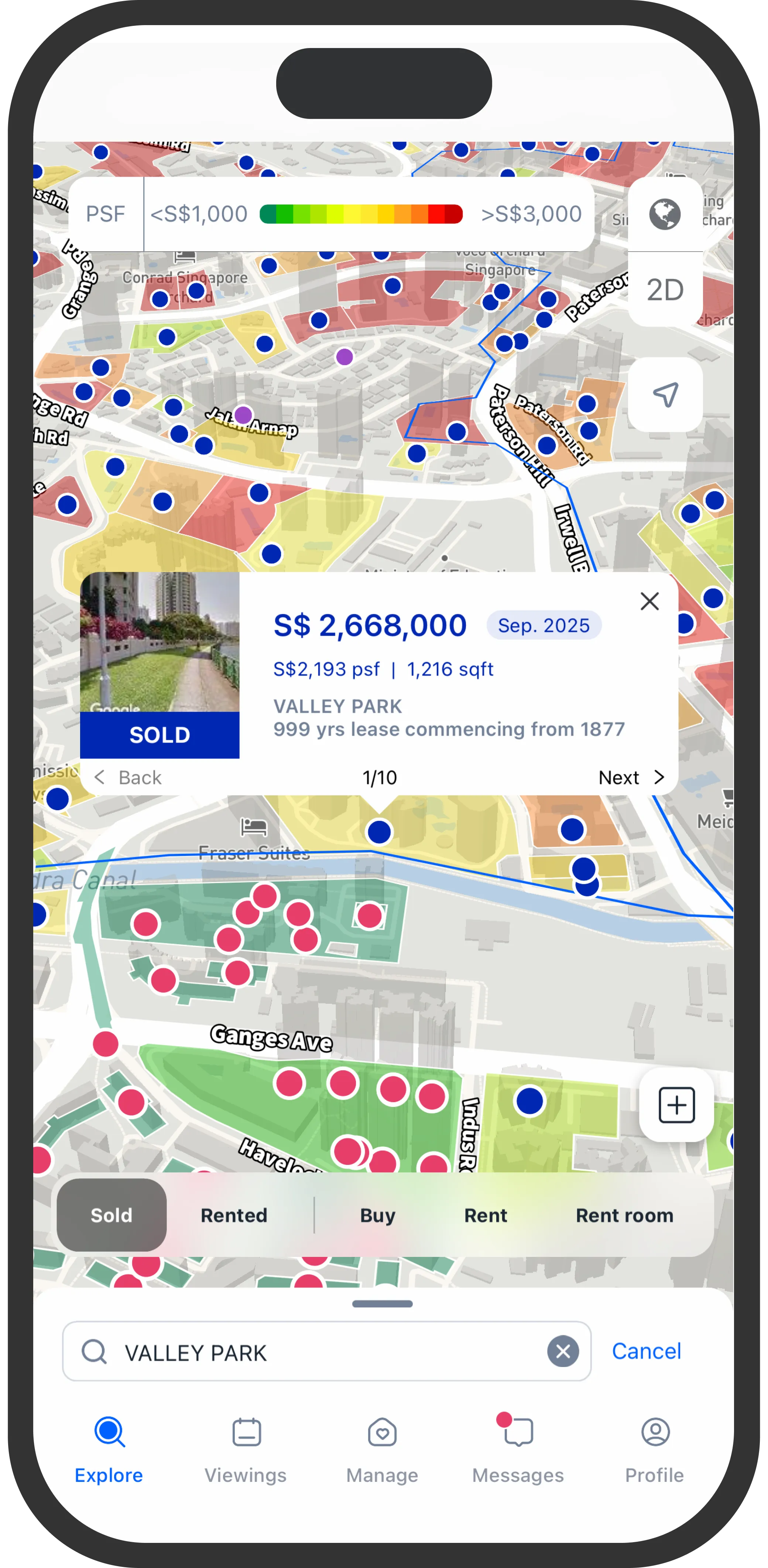
Kucing’s Unified PropSpace brings market data, listings, viewings, favourites, chats and offers into one connected command centre. That helps buyers compare not only purchase prices, but also the renovation burden hiding behind each front door.
Once the home is secured, Kucing’s interior-design partner Mablle supports HDB and condo renovation with design, itemised costing, project coordination and digital visibility throughout the process.
Find the right home, understand the real cost, and carry the journey from viewing to move-in with Kucing.
Explore Kucing’s Unified PropSpace
From price insights to viewings and offers, Kucing helps owners, agents, buyers, and tenants move through property decisions with more clarity and control.

.png)